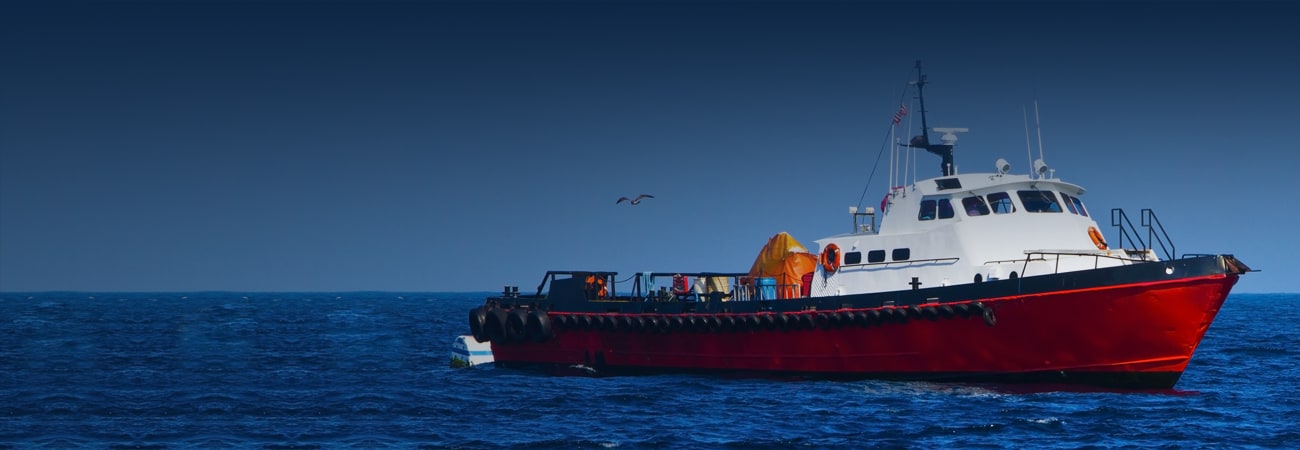
Boat on the sea
Published on:

An Alaska crab fisherman aboard the F/ V ICY MIST has been medivaced for medical treatment after a crab pot fell on him Sunday. The crew was reportedly loading crab pot gear 150 miles southeast of Sand Point, Alaska, when the accident happened. A Coast Guard helicopter hoisted the crewman from the vessel and transported him to Cold Bay. The extent of the crewman’s injuries is unknown.

Working as an Alaska crab fisherman remains one of the most dangerous jobs in the world. Fishermen typically work with crab pots that weigh 700 to 800 pounds, sometimes working in seas 20 feet high or more. If proper safety precautions are not followed in landing the pots, they can swing out of control injuring crewmen. Once aboard the vessel, the crab pots must be properly secured and tied down. Fishing vessel owners owe a duty to have their crew properly trained in safety procedures and provide their crewmen with a safe place to work. Because of the dangers associated with this type of work, crab boats must be kept seaworthy at all times to prevent injuries to the crew.

Beard Stacey & Jacobsen PLLC is one of the most experienced law firms in the country in handling crewmen injuries aboard crab boats. Crewmen injured while working in the Bering Sea are covered by the Jones Act. The general maritime law also provides that the employer pay all of a seaman’s medical bills, and provide a daily living expense while the seaman is recovering from his injuries. Fishermen who are injured as a result of negligence may be entitled to compensation for pain and suffering, past and future lost wages, loss of earning capacity, and losses associated with their enjoyment of life.

Published on:

At 7:31 am on October 17, 2014, the owner of the 67-foot recreational vessel LADY A made a we’re-abandoning-ship distress call to the Coast Guard in Port Angeles, WA. The Coast Guard immediately sent a response boat and helicopter to the sinking boat located north of the Dungeness Spit in Sequim, WA. The crew of TOKYO EXPRESS, a 664-foot tanker traveling through the Strait of Juan de Fuca, also sent a response boat to assist. Both response boats arrived at the LADY A around 8:10 am and found the man and woman, local residents of the area, still on their boat. They were transferred to the Coast Guard response boat and taken to the Port Angeles station. Neither crewmember was injured, the Coast Guard reported.

Lady A reportedly sank in 180 feet of water with approximately 700 gallons of diesel on board. No sheen has been reported. Pollution responders from the Coast Guard’s incident management division have been notified and are working with the vessel owner and the Washington State Department of Ecology to decide if the vessel can be salvaged. It is unknown at this time why the boat sank.

Published on:

On the evening of October 9, 2014, the master of the 50-foot fishing vessel ARLINE called the Coast Guard to report that his boat had gone aground in the Swinomish Channel near Anacortes, WA. The Coast Guard Cutter ADELIE assisted and its crew boarded the ARLINE. Coast Guard crewmembers thought that the ARLINE master and crew had been drinking, so they administered breathalyzer tests. Results showed blood alcohol contents at .115; .008 is illegal. Local police took the master into custody.

The ARLINE was towed to the Cap Sante Marina in Anacortes. A light sheen was found after the vessel was moored, so a containment boom was installed and a Coast Guard incident management team from Seattle is working with contractors to contain the pollution and develop a salvage plan.
Continue reading

Published on:

On the evening of September 29, 2014, Robert Doug Schrecengost, 59, was found dead in the water near Dock R at Shilshole Bay Marina. The Port of Seattle reported that it appears he drowned, with no signs of foul play or intentional death. Seattle Fire Department tried to revive him on route to Harborview Hospital, but he had been in the water too long. Schrecengost was a recreational boater and commercial fisherman, and he lived at the marina on his 31-foot sailboat named Del Ray.

In 2006, five similar deaths occurred at another marina in Seattle; four fishermen and one woman accidentally drowned off the docks at Fisherman’s Terminal. After complaints by fishermen and tenants, Seattle Port officials and WA Department of Labor and Industries investigated safety concerns such as slippery wood docks, lack of guard rails, inadequate lighting, and the need for more ladders and life rings. More self-rescue ladders were installed as well as other safety measures.

Published on:

On September 23, 2014 at 1:15 pm, a crewmember of the fishing vessel TERESA JEAN, located off Patos Island in the San Juan Islands, called the US Coast Guard in Bellingham, WA to report that a diver needed immediate assistance due to decompression sickness. According to the Coast Guard report, their response boat arrived less than 30 minutes later and transferred the injured diver to their boat. Ten minutes later, the Coast Guard helicopter DOLPHIN flew in from Port Angeles, WA and successfully medevaced the 22-year old diver to Virginia Mason Hospital in Seattle. It is unknown whether the involved diver was engaged in recreational or commercial diving operations. Strict federal and state safety regulations apply to commercial divers. The diver’s condition was not known.

Published on:

Commercial fishing is still the most dangerous job in the nation. Knowledge is power and potential survival, so every mariner can learn from reading the seventh edition of “Beating the Odds: A Guide to Commercial Fishing Safety, by Susan Clark Jensen and Jerry Dzugan of the Alaska Marine Safety Education Association. The new edition updates information on survival equipment, such as how to efficiently put on an immersion suit; specific duties during an emergency, such as how to make a distress call; and first aid, including specific examples of casualties. Other chapters discuss vessel safety, reading the weather, handling fishing gear safely, fatigue, hydration, nutrition and other essential safety skills. You may order the book and download it at seagrant.uaf.edu/bookstore/pubs/MAB-41.html. However, no one book can completely cover all the dangers of commercial fishing. Another good reference is the North Pacific Fishing Vessel Owners Association Vessel Safety Manual. Fishermen should also understand the Fishing Vessel Safety Act. Boost your chances of success and update your knowledge of safety and survival skills.

Published on:

With the recent approval of the Washington State Maritime Cooperative’s new oil spill contingency plan, a seminar will be held Friday, October 24th, 2014 at the Doubletree Guest Suites Southcenter at 7:45 AM.

The seminar is free, and intends to address the significant changes of the new plan. Attendees will be able to learn and discuss the different areas of the plan, such as spill response, spill prevention, as well as contingency planning. Both local and national stakeholders will be able to exchange information with the aim of creating an environmentally safer region for maritime commerce.

Over a hundred people are expected to attend the seminar. This amount includes members of the U.S. Coast Guard, Washington’s Department of Ecology, oil spill response contractors, as well as members of the WSMC.

Published on:

On August 31, 2014, the Coast Guard Sector Puget Sound received a mayday call from a good Samaritan who found a capsized boat with 8 people, 7 adults and a child, in distress. The good Samaritan was able to pull up the 3 people in the water, while the rest clung to the side of his vessel.

A 45-foot response boat soon came and recovered the rest of the stranded passengers, bringing them all to Bainbridge Island, afterwards towing the capsized vessel to Eagle Harbor.

Mike Allen, the search and rescue coordinator at the Coast Guard’s Puget Sound Sector, credits the preparedness and response of the good Samaritan as being instrumental in the rescue. ‘Had he not come upon them, the current could have carried them out further and the situation could have become much worse,’ he was quoted as saying.

Published on:

The Coast Guard Cutter Terrapin, ported in Bellingham, returned September 1st, after a patrol to help control drug trafficking from Southern Baja California. The 42-day patrol involved cooperation with both United States Customs and Border Protection, as well as the Mexican navy.
On August 21st, a boat was reported as suspicious by the partnered air patrols in the area, and the Terrapin intercepted it. Smugglers, claiming to be Mexican nationals, as well as an estimated 90 bales of marijuana totaling nearly a ton in weight, were found. Suspects, vessel, and marijuana were all turned over to the Mexican navy.
The Terrapin primarily serves Washington’s western coastline by patrolling and responding to various calls.

Published on:

On Labor Day 2014, the U.S. Coast Guard and Washington Department of Ecology received word that oil, as well as strong petroleum odors, had appeared in the Ballard Mill Marina on Salmon Bay. The Coast Guard and Department of Ecology have established a unified command to oversee the plan and cleanup of the spill. Funds from the federal Oil Spill Liability Trust Fund were used to hire diving and salvage crews to assist in the cleanup.
At this time, no one has claimed responsibility for the spill, but scientists are taking samples of oil from the spill as well as vessels in the vicinity to help track down the source. While no reports of wildlife being affected have been made, the estimated amount spent on cleanup so far is close to $75,000, which is being financed from the trust fund. Anyone with any information on the investigation is encouraged to contact the Puget Sound Coast Guard Command Center.

Contact Information